Is Farrow & Ball Worth It? An Honest Comparison
Every few years, someone repaints a room and tells everyone about it. And nine times out of ten, they mention Farrow & Ball.
It has become shorthand for a certain kind of taste — considered, unhurried, a little expensive. The names alone do half the work. Elephant's Breath. Dead Salmon. Mole's Breath. They suggest a world of country houses and carefully chosen bookshelves, and that suggestion is worth something.
But worth what, exactly? And is it worth it to you?
That is the question more people are asking — not because Farrow & Ball has slipped in quality, but because the market around it has changed considerably. There are now genuine alternatives that match it on pigment depth, finish, and coverage, and beat it substantially on price. Understanding why requires looking at how premium paint is actually priced — and where the real costs in a decorating project come from.
The real cost of painting a room with Farrow & Ball
Most people price up a decorating project by looking at the cost of wall paint. That is a reasonable instinct, but it misses something important: walls are only part of a room.
A typical living room or bedroom has skirting boards, door frames, window reveals, radiators, and often a ceiling to think about. With most premium paint brands — Farrow & Ball included — each surface requires a different product. Estate Emulsion for walls. Estate Eggshell for woodwork. Possibly a primer underneath if you are making a significant colour change.
The costs add up quickly. At current prices, a 2.5L tin of Farrow & Ball Estate Emulsion sits at around £59. A 2.5L tin of Estate Eggshell — the product you need for skirting boards and woodwork — is around £62. That is £121 before you have bought a brush, and before you have addressed the ceiling or the radiator.
For a larger room requiring 5L of each, you are looking at well over £200 in paint alone.
The multi-surface question most brands do not want you to ask
Here is the thing most paint brands do not advertise clearly: the reason you need separate products for walls and woodwork is finish, not formulation. Emulsion is too flat for woodwork — it marks easily and does not wipe clean. Eggshell has the slight sheen that makes skirting boards practical.
What changes the equation entirely is a paint that is genuinely multi-surface — formulated to perform on walls, woodwork, ceilings, and radiators from a single tin, without compromising on any of them.
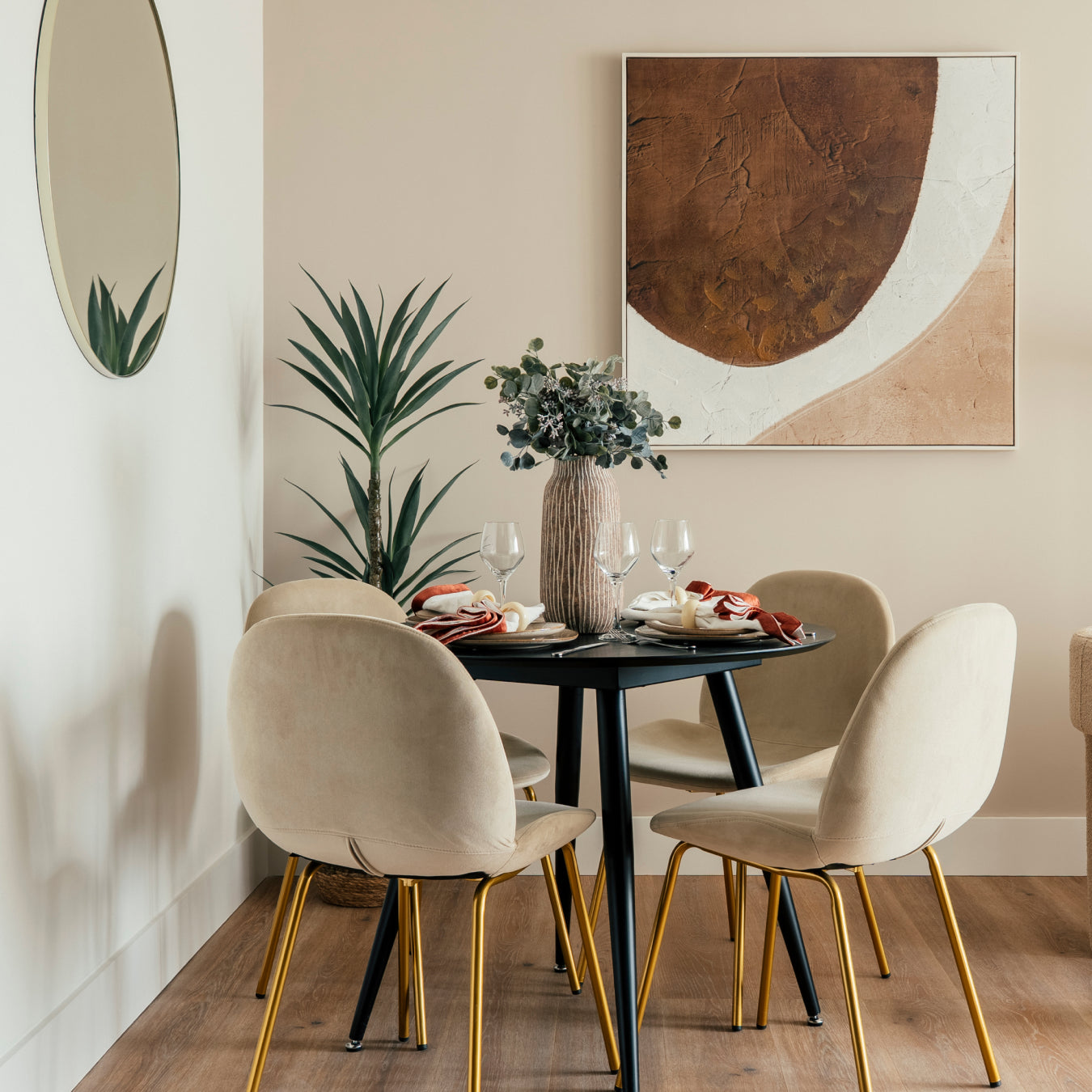
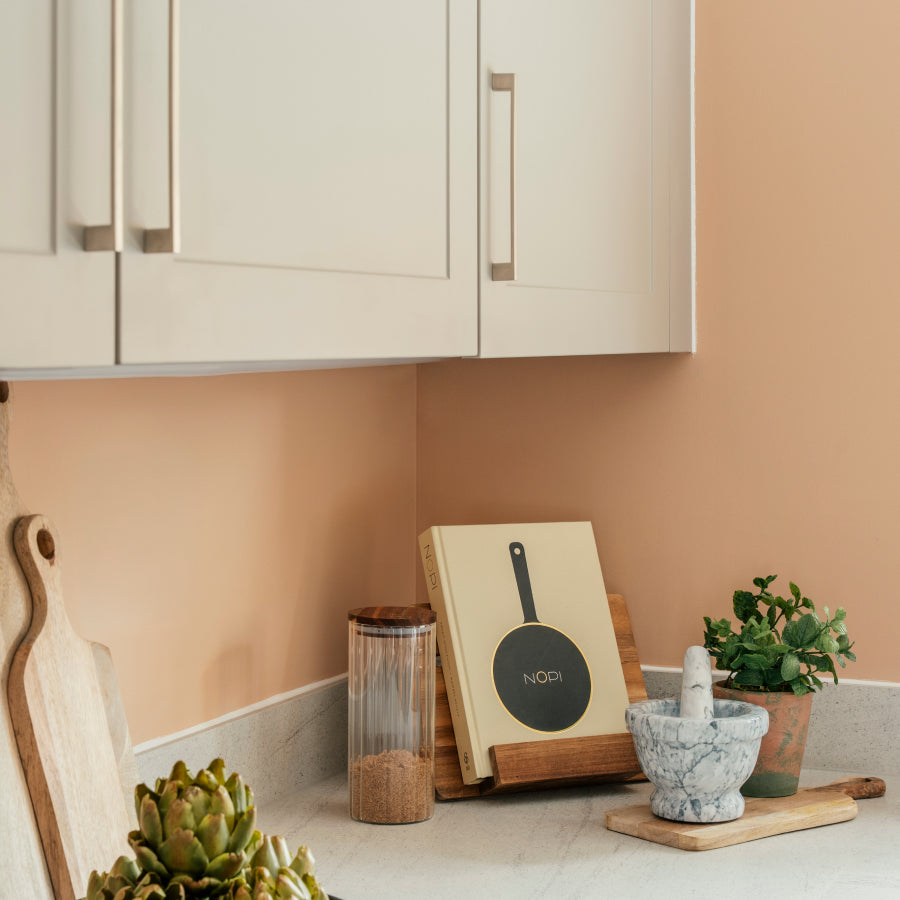
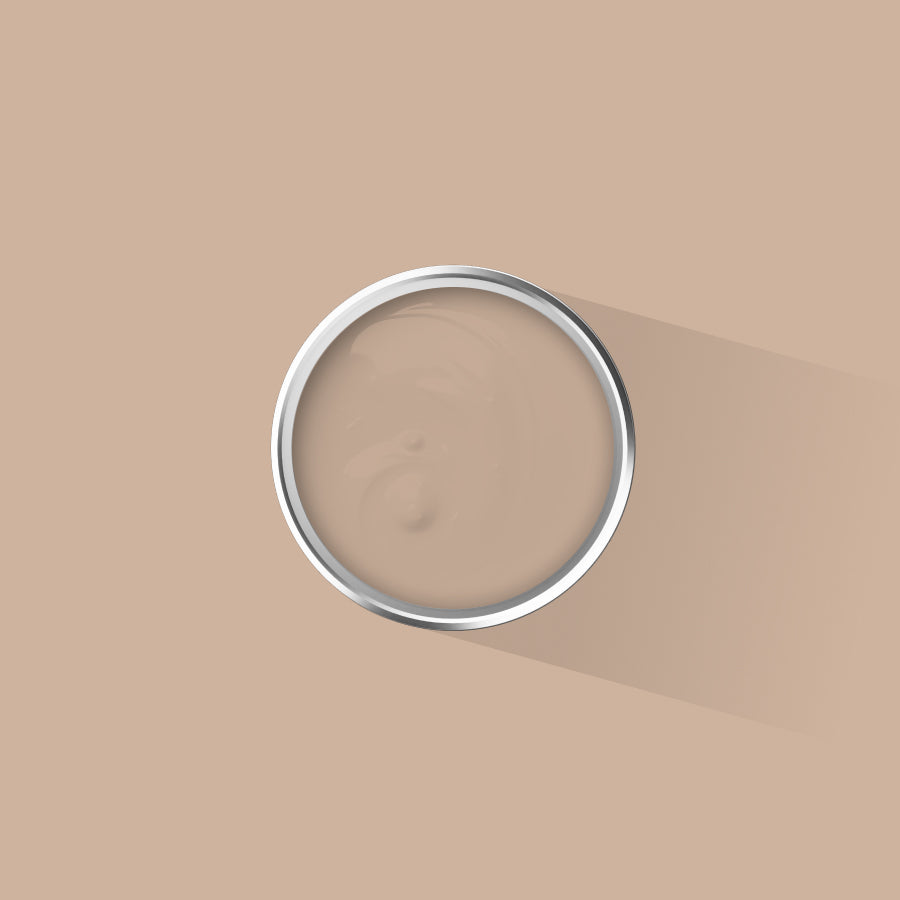
Placepaints is formulated precisely this way. Every colour — from the warm, sun-bleached depth of Lisbon Taupe to the dense, atmospheric richness of Black Forest — is a true multi-surface matt emulsion. One tin covers your walls, your woodwork, your ceiling, your radiators. The finish holds up to wiping. The colour is consistent across every surface.
That single fact changes the entire cost comparison.
What the numbers actually look like
A typical room project, like for like:
Farrow & Ball, walls plus woodwork at 2.5L each: approximately £121. Placepaints, one tin covering all surfaces at 2.5L: £50.
That is not a marginal saving. On a whole-house project — say, five rooms — the difference runs to several hundred pounds. Money that stays in your pocket, or goes toward better furniture, better lighting, or simply more paint.
The coverage gap widens it further. Placepaints covers up to 16 square metres per litre — among the highest in the premium category. Farrow & Ball's stated coverage is typically 12 to 13 square metres per litre. Over a full project, you are buying fewer tins to cover the same area.
What Farrow & Ball does that nobody else does
It would be dishonest to write this without acknowledging what Farrow & Ball genuinely does well, because it does several things very well indeed.
The depth of colour in their darker shades — the way Hague Blue pools in the corner of a room, the way Railings reads differently in morning and evening light — reflects decades of pigment expertise and a palette refined over generations. Their colour naming is culture in itself. And for anyone working on a period property, the breathable formulation of their Limewash range has few equals.
They have also built something harder to quantify: a design language that interior designers, architects, and stylists reach for instinctively. That language has real value if you are working on a project where the brand name matters as much as the finish.
But for the majority of people painting their own homes — making considered choices about colour, caring about finish and longevity, wanting something that looks and feels premium without the premium brand markup — the equation has shifted.
Why place-named colours matter more than you might think
Placepaints was built around a simple idea: that the most resonant colours come from somewhere. Not invented, not assigned a number, but drawn from a real place, a real light, a real moment.
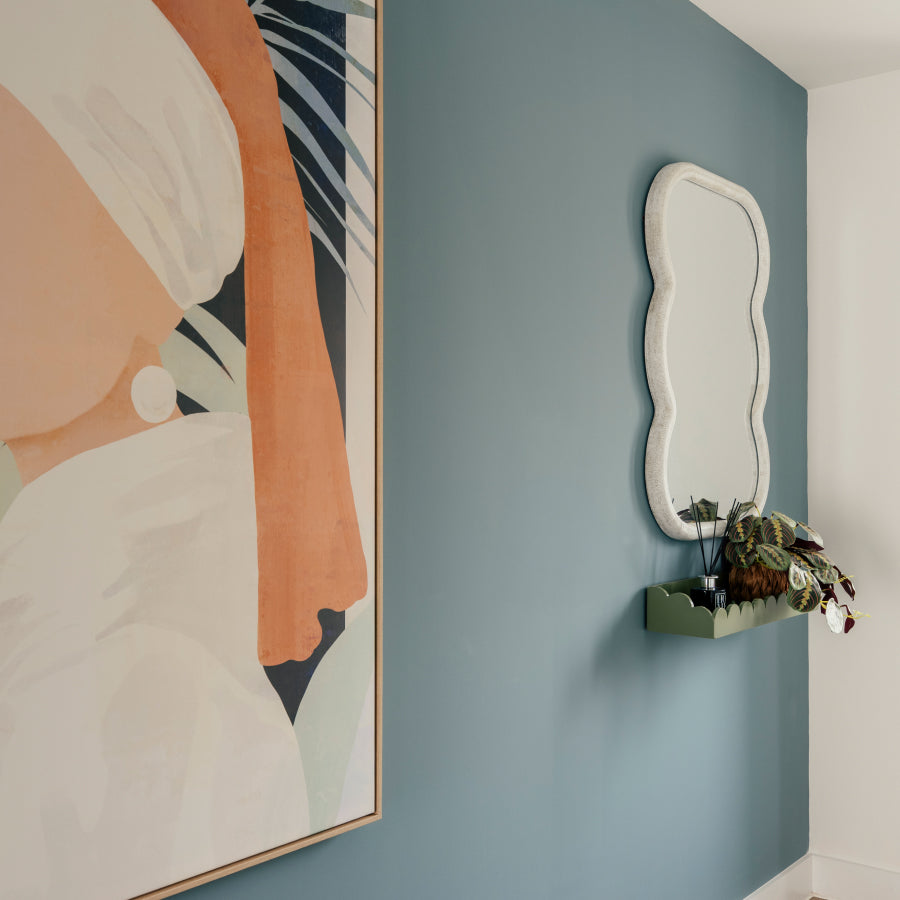
Devon Pebble is the warm, slightly chalky stone of the south-west coast at low tide. Milan Caffè is the particular shade of burnished warmth in a Milanese café interior — something between caramel and espresso, soft enough for a bedroom wall. Mariana Depths carries the still, pressurised blue of deep water, slightly green, absorbing light rather than reflecting it.
These are not marketing names applied to generic colours. They are the starting point for how each shade is developed. And because they come from real places with real light conditions, they tend to read well in real rooms — which is, ultimately, the only thing that matters.
So is Farrow & Ball worth it?
For some projects, yes. If you are restoring a Georgian townhouse, working with an interior designer whose practice is built around the F&B palette, or simply want the name on the tin for reasons that matter to you — it remains a genuinely excellent product.
But if you are choosing paint for your home, care about colour, want a finish that performs across every surface without buying multiple products, and would rather spend the difference on something else — then no. It is not worth the premium. Not anymore.
The quality gap that once justified the price has closed. What remains is the brand. And brand, however well constructed, does not go on the wall.
Order samples from £5.50 and see how Placepaints reads in your light before you commit.
Price comparison based on a typical room project using 2.5L tins. Farrow & Ball Estate Emulsion (from £59) plus Estate Eggshell for woodwork (from £62) versus Placepaints multi-surface matt emulsion (£50) covering walls, woodwork, ceilings and radiators in a single tin. Farrow & Ball prices correct at time of publication. Coverage figures based on maximum stated rates: Placepaints up to 16sqm/L, Farrow & Ball approximately 12–13sqm/L.